 listicle
What Devalues a House the Most? 7 Factors to Know
Table of Contents
- 1. Deferred Maintenance and Home Value: The Silent Killer
- 2. Unfinished Renovations and Poor Workmanship
- 3. Outdated Kitchens, Bathrooms, and Fixtures
- 4. Water Damage, Damp, and Moisture Problems
- 5. Unpermitted and Inappropriate Home Improvements
- 6. Location Drawbacks: Noise, Traffic, and Undesirable Land Uses
- 7. How Appraisers and Buyers Assess Devaluation
- 8. How to Increase Home Value Before Selling
- Frequently Asked Questions
Last Updated: October 15, 2026
1. Deferred Maintenance and Home Value: The Silent Killer
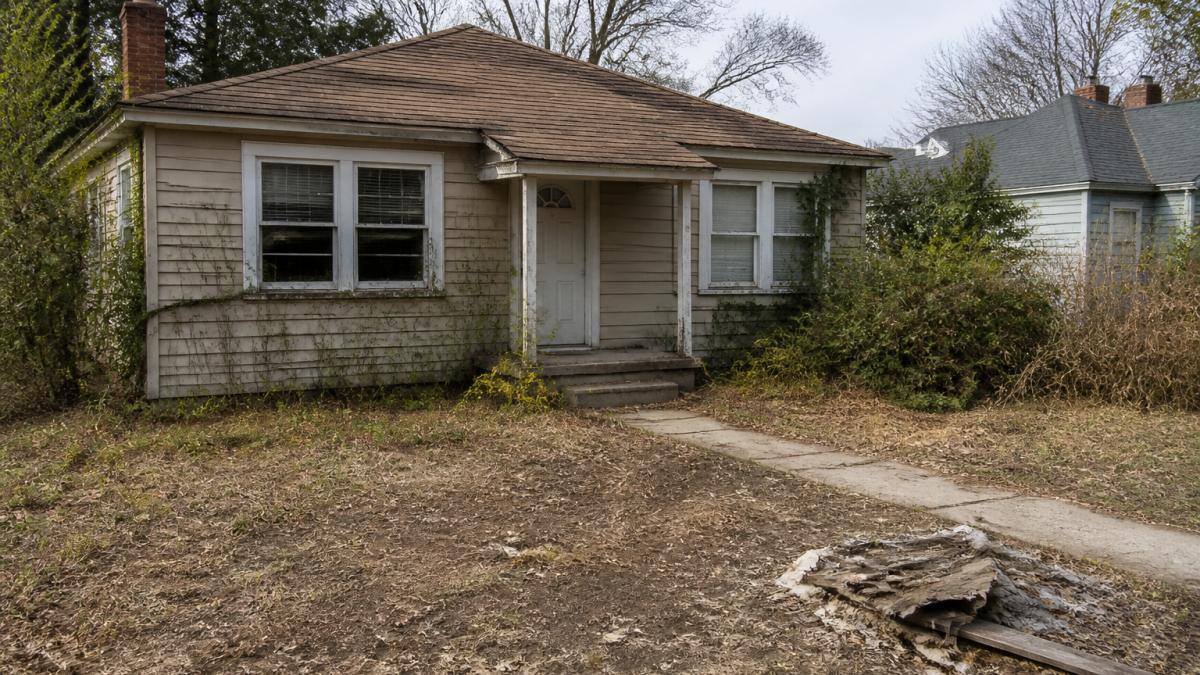
When buyers ask what devalues a house the most, the honest answer is often the least dramatic one: time. Deferred maintenance is the quiet accumulation of small, ignored repairs that turns into a major negotiating chip.
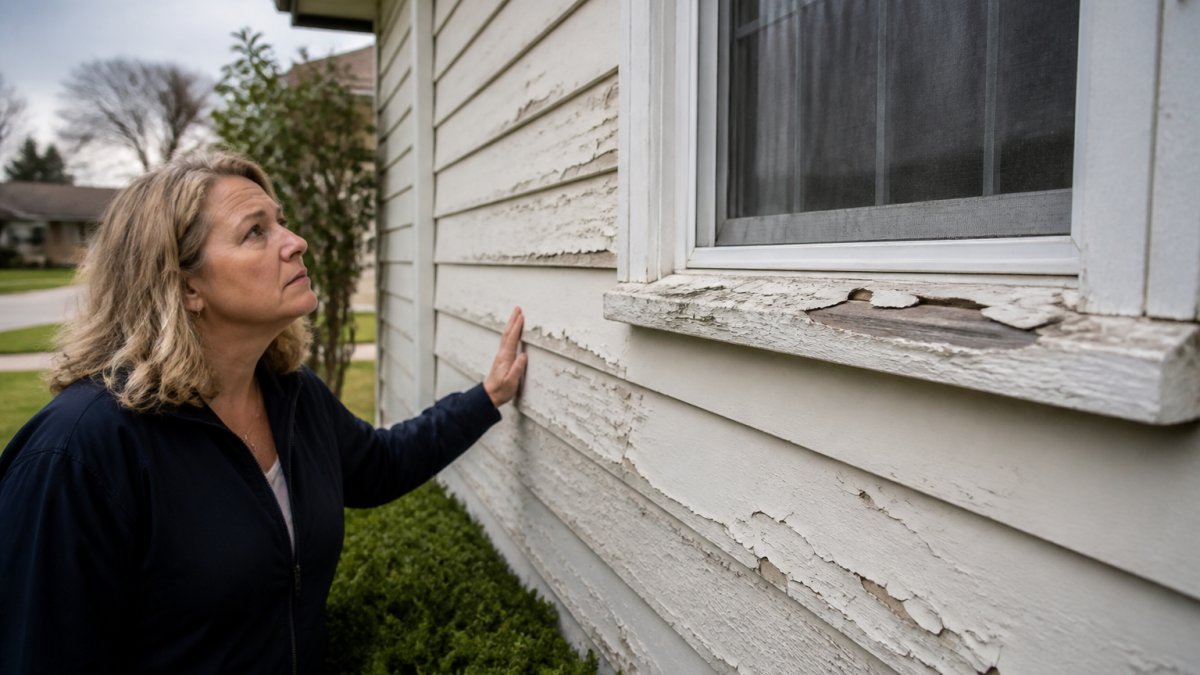
Why Neglected Maintenance Costs More Than the Repair
A $400 fix today can become a $4,000 concession at closing. Buyers and appraisers read deferred maintenance as a signal: if the small things were ignored, what else was missed?
- Roof and gutter damage invites water intrusion and structural worry
- Peeling paint and rotted trim signal neglect before a buyer even steps inside
- Aging HVAC or water heater becomes an immediate repair credit request
2. Unfinished Renovations and Poor Workmanship
Unfinished projects are worse than no projects at all. A half-tiled bathroom or exposed drywall tells buyers the seller ran out of money, time, or both. Poor workmanship compounds the problem: crooked tile lines, mismatched fixtures, and sloppy trim make buyers assume hidden problems behind the walls.
Many sellers believe any renovation adds value. That is not how appraisers see it. Unpermitted or visibly amateur work often gets discounted rather than credited.
3. Outdated Kitchens, Bathrooms, and Fixtures
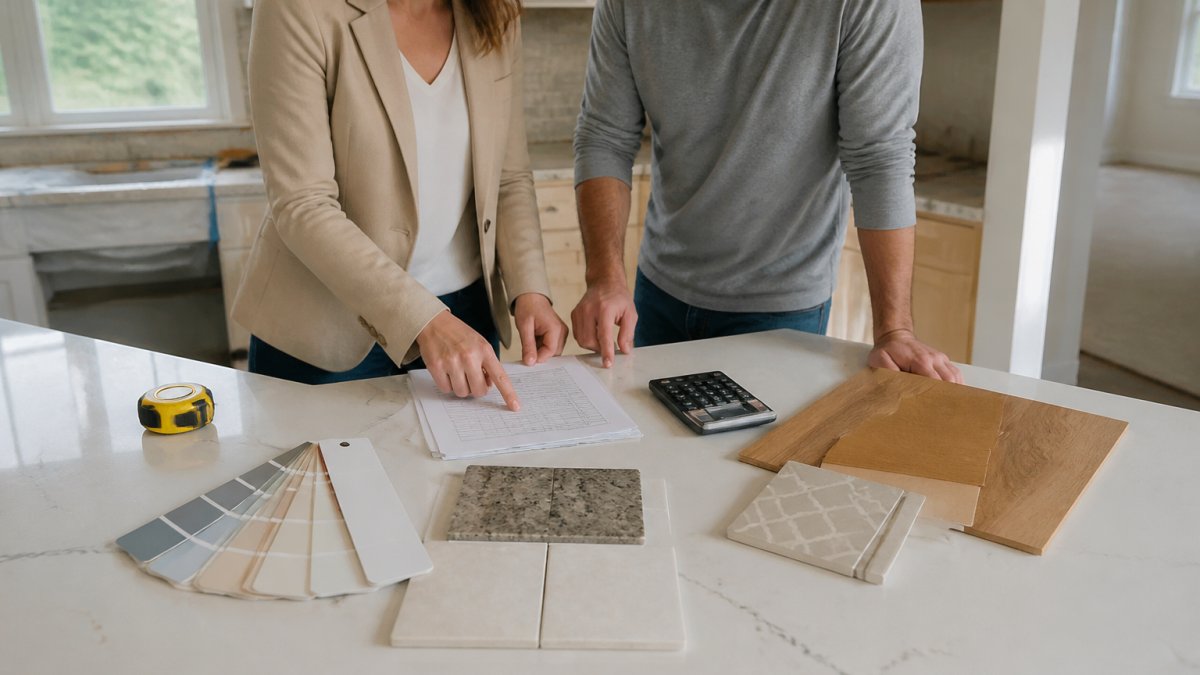
Outdated kitchens and bathrooms are the two rooms that move the needle most. Buyers weigh design trends heavily, and a kitchen stuck in a previous decade reads as a future expense rather than a feature.
The fix is rarely a full remodel. Often it is:
- Fresh cabinet paint and modern hardware
- Updated light fixtures and faucets
- Neutral, current countertops where the budget allows
According to the National Association of Realtors' Remodeling Impact Report, certain interior updates consistently recover a meaningful share of their cost at resale. The key is matching the update to the neighborhood, not over-improving past what comparable properties support.
4. Water Damage, Damp, and Moisture Problems
Water damage is the factor buyers fear most because it is the hardest to see and the most expensive to fix.
A home in a flood plain carries additional risk. Lenders and insurers treat flood risk seriously, and buyers factor it into both their offer and their financing.
FEMA's flood zone mapping tool lets any seller confirm their property's risk designation before listing.
5. Unpermitted and Inappropriate Home Improvements
Unpermitted work creates a paperwork problem that becomes a value problem. A finished basement, added bathroom, or converted garage without permits can fail an appraisal or stall a buyer's loan.
Appraisers compare your home against comparable properties with documented, permitted square footage. Unpermitted additions often cannot be counted the same way, which shrinks your effective living area on paper.
- Check permit history before you list
- Get retroactive permits where possible
- Disclose what cannot be permitted and adjust price accordingly
6. Location Drawbacks: Noise, Traffic, and Undesirable Land Uses
Location is the one factor you cannot renovate away, which is why it deserves more than a one-line mention. Busy roads, heavy traffic, nearby industrial areas, and disruptive neighbors all reduce buyer appeal, but they do not all reduce value the same way, and they do not all reduce value at all.
The Two Different Costs of a Bad Location
It helps to separate two outcomes that sellers often blur together:
- Price effect, the drawback shows up in the appraised value or the final negotiated number, because comparable sales in the same area also sold for less.
- Saleability effect, the drawback mainly shrinks the buyer pool or extends days on market, even when the eventual price holds up.
A house on a moderately busy road may still appraise in line with interior comparables, but sit for 60 to 90 days because the same buyers who loved the kitchen cannot get past the traffic noise. A house backing up to a salvage yard usually takes a price hit, because appraisers can find nearby sales that reflect the same external influence.
How Appraisers Handle External Obsolescence
Appraisers have a specific term for value loss caused by something outside the property line: external obsolescence. It is one of the three recognized forms of depreciation, alongside physical deterioration and functional obsolescence.
In practice, that means an appraiser will:
- Look for comparable sales that share the same external influence, other homes on the same road, in the same flight path, or adjacent to the same land use.
- If no true comparables exist, apply a paired-sales or supported adjustment based on the market reaction the appraiser can document.
- Note the influence in the report so the lender understands why the opinion of value differs from homes a few streets away.
This is why "my neighbor sold for more" is rarely a winning argument. If the neighbor's lot does not share the drawback, the neighbor is not a comparable.
Common Location Drawbacks and How They Usually Play Out
| Location Issue | Typical Effect | Mechanism |
|---|---|---|
| Heavy traffic or busy road | Price reduction or longer market time | Noise, safety concerns, harder to show |
| Nearby industrial use, salvage yard, or landfill | Price reduction | Odor, truck traffic, visual blight, external obsolescence adjustment |
| Airport or rail noise | Price reduction in severe cases; saleability hit in mild cases | Noise contour maps, buyer self-selection |
| High-crime area or block-level safety concerns | Price reduction and narrower buyer pool | Buyer and insurer risk perception |
| Disruptive or anti-social neighbors | Case-by-case | Hard to quantify; often shows up as extended days on market |
| Boundary disputes or easement problems | Case-by-case | Title and financing risk; can stall closing |
| Flood plain designation | Price reduction plus insurance and financing friction | Mandatory flood insurance, lender requirements |
What Sellers Can Actually Do
You cannot move the house, but you can change how the drawback is framed and priced:
- Disclose early. Buyers find out anyway, through inspection, insurance quotes, or a drive-by. Getting ahead of it builds trust and prevents a late-stage renegotiation.
- Price to the drawback, not around it. Overpricing a home with a known location issue usually results in a longer listing and a bigger eventual cut than pricing it correctly from day one.
- Document what mitigates it. A newer roof, updated windows, or a sound wall can reduce the practical impact of noise. Appraisers can credit those features even when they cannot credit the location.
7. How Appraisers and Buyers Assess Devaluation
Most articles on this topic list what devalues a house and stop there. They never explain how a drawback actually turns into a lower number on paper. That mechanism is where the real money is, so it is worth walking through step by step.
Step 1: The Appraiser Picks Comparables
An appraiser does not start with your house. They start with recent sales of similar homes in the same market area, typically closed within the last six to twelve months, similar in age, size, style, and lot.
Adjustments run in two directions:
- If the comparable is superior to your home, the appraiser subtracts value from the comparable to bring it down to your home's level.
- If the comparable is inferior, the appraiser adds value to the comparable to bring it up.
Your home's indicated value comes out of that adjusted range. A drawback like a busy road, an unpermitted addition, or a dated kitchen does not get its own line item, it gets absorbed into the comparable selection and the adjustment grid.
Step 2: Condition Ratings
Most residential appraisal forms use a condition rating scale, commonly described as C1 through C6:
- C1, new construction, never occupied
- C2, like new, no deferred maintenance
- C3, well maintained, some minor updates
A single step on that scale can shift the appraised value meaningfully, because the appraiser will weight comparables in the same condition category more heavily. A home rated C4 sitting among C3 comparables will usually be adjusted downward. A home rated C5 may be compared only against other C5 homes, which are typically the lowest-priced sales in the neighborhood.
Step 3: The Inspection Changes the Conversation
Once a buyer is under contract, a home inspection reframes every issue from "condition" to "repair request." The buyer's inspector documents findings, the buyer's agent turns them into a credit request or a price reduction, and the negotiation begins.
This is where deferred maintenance costs more than it should. A $400 repair discovered before listing is a $400 repair. The same repair discovered by the buyer's inspector often becomes a $2,000 to $4,000 concession, because the buyer bundles it with other findings and prices in the hassle of managing the work after closing.
Step 4: The Buyer's Own Math
Buyers rarely calculate value the way appraisers do. They run a rough mental budget:
- "New roof, that's a big one."
- "Kitchen is dated, but I can live with it for a year or two."
- "Water stain on the ceiling, I don't know what that costs, so I'll assume the worst."
Uncertainty is expensive. When a buyer cannot estimate a repair, they tend to overestimate it. That is why disclosure, documentation, and pre-listing inspections often pay for themselves, they replace the buyer's worst-case guess with a known number.
Step 5: The Appraisal Comes Back
If the buyer is financing, the lender orders an appraisal. If the appraised value comes in below the contract price, one of three things happens: the buyer brings more cash, the seller reduces the price, or the deal falls apart. This is the moment when a drawback that was only a talking point becomes a hard number.
Why This Matters for Pricing Strategy
If you price against the best comparable in the neighborhood while your home has a C5 condition rating, an unpermitted addition, or a location drawback, the appraisal will not support the contract. The deal will renegotiate or collapse. Pricing against the comparables that actually match your home's condition and location is not pessimism, it is the only strategy that survives the appraisal.
8. How to Increase Home Value Before Selling
The fastest path to a higher sale price is prioritizing repairs by return, not by preference. Not every fix pays back equally.
- Address safety and structural issues first
- Fix active water intrusion before cosmetic updates
- Refresh kitchens and bathrooms with high-impact, low-cost changes
This is where the right agent earns their keep. Our job is to separate the repairs that move your sale price from the ones that just move your budget. We help homeowners, first-time buyers, downsizers, and investors read a property honestly and act on what matters.
Frequently Asked Questions
What devalues a house the most?
Deferred maintenance and neglected upkeep typically cause the biggest drop in home value. Water damage, unpermitted work, and outdated kitchens or bathrooms also rank high. A 2022 survey from the National Association of Realtors found that 86% of real estate agents said homes with deferred maintenance sold for less than asking price. Location drawbacks like heavy traffic or nearby industrial areas can reduce buyer appeal too, though the impact varies by market.
Does deferred maintenance reduce a home's value?
Yes. Deferred maintenance signals to buyers that other hidden problems may exist. A roof that needs replacing, a furnace past its useful life, or plumbing that leaks all become negotiating points. Buyers often request credits or price reductions that exceed the actual repair cost because they factor in inconvenience and risk. Addressing deferred maintenance and home value issues before listing usually returns more than the repair cost.
Which home repairs should sellers make before listing?
Focus on repairs that affect safety, function, and first impressions. Fix water leaks, replace broken fixtures, repair damaged flooring, and address any obvious structural issues. Home repairs before selling should also include fresh paint in neutral tones and professional cleaning. Prioritize items that appear on a standard home inspection report, since buyers will hire their own inspector and use those findings to negotiate.
How can I find out what is lowering my home's value?
Start with a professional home appraisal or a pre-listing inspection. An appraiser will identify home appraisal factors that affect your property's market value, including condition issues, outdated features, and any unpermitted work. A real estate agent can also provide a comparative market analysis showing how your home stacks up against comparable properties. Both approaches reveal specific problems so you can decide how to increase home value before selling.
Every home has at least one issue dragging its value down, and most sellers guess wrong about which one it is. At Gina Poslusny with Weichert Realtors, we help you identify the real devaluing factors, prioritize repairs that pay back, and price your home to sell. Get started with Gina Poslusny with Weichert Realtors and turn your property's weak points into a stronger, faster sale.